Items
-
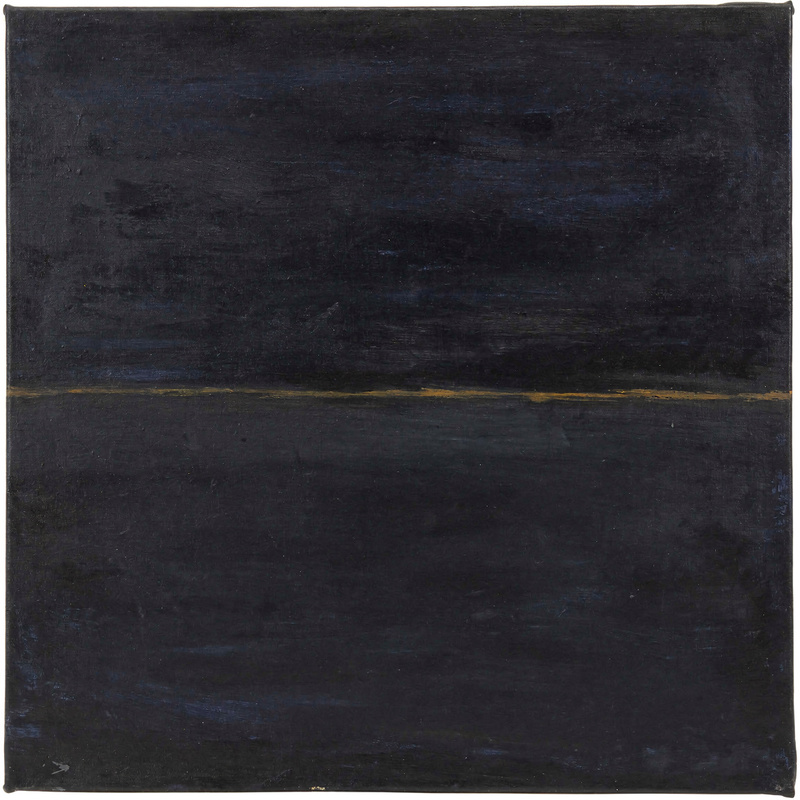
Night Field
A single line of ochre holds the dark together. Lind said it was the porch light at the Halloran farm, seen from the road. -
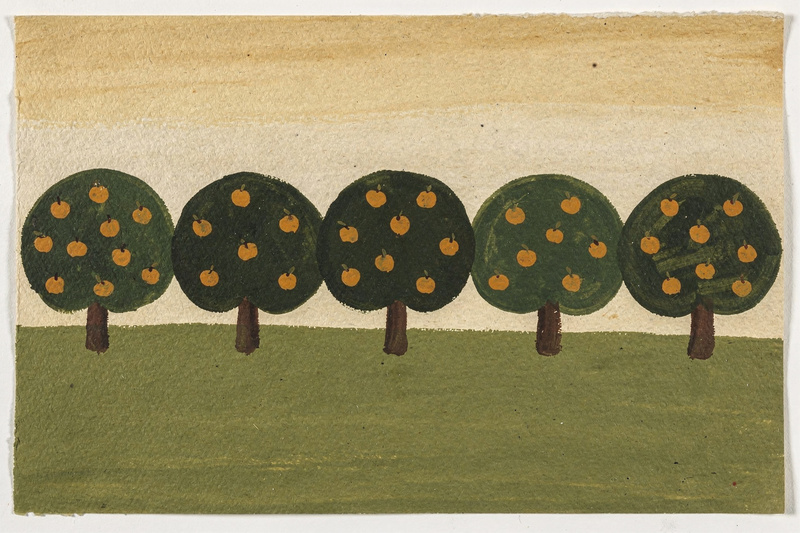
Orchard, Late
Hollis painted the Paulsen orchard every October for thirty years. In this one the light has nearly gone, and the last apples read as small warm sparks. -
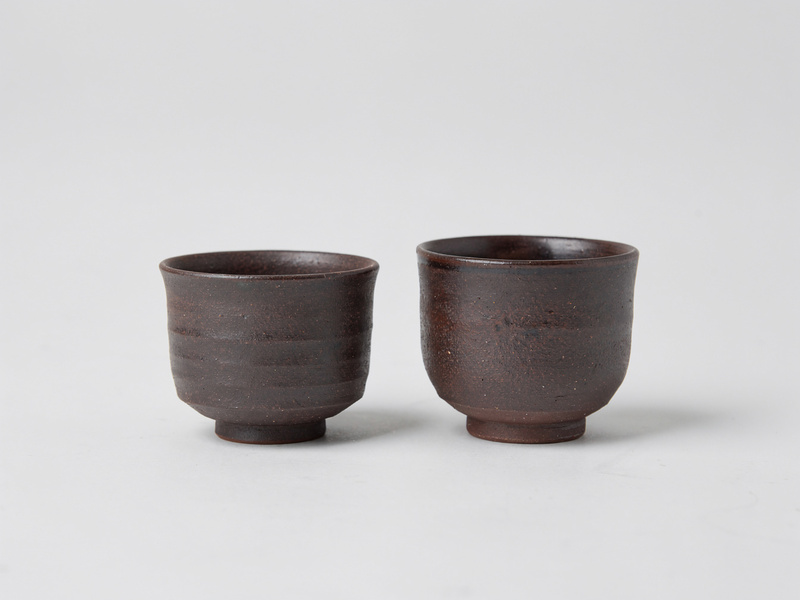
Pair of Cups
Made for the museum's tenth tea evening and then kept: one cup is a little taller, for the host. -
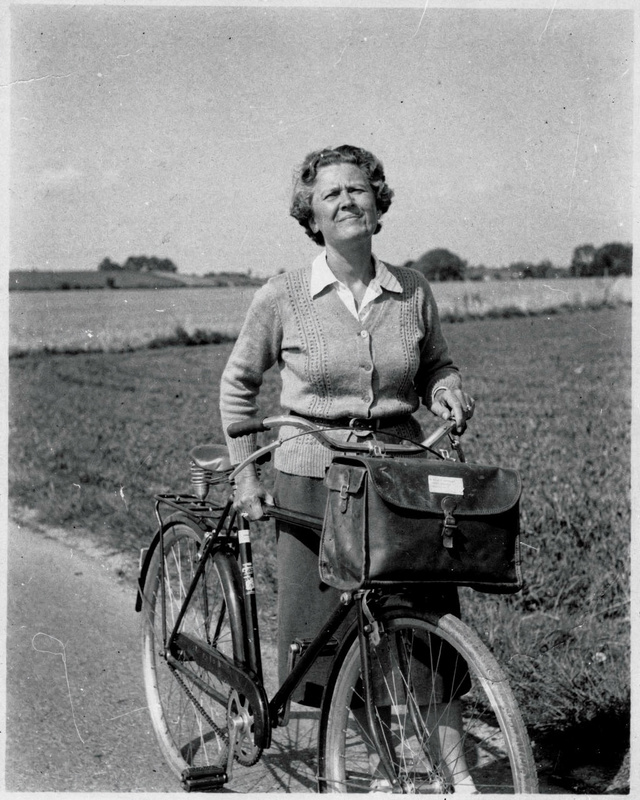
Postmistress with Bicycle
Calder met Harlow's postmistress on the Grange road and asked her to stand still for one picture. She stood still for four. -
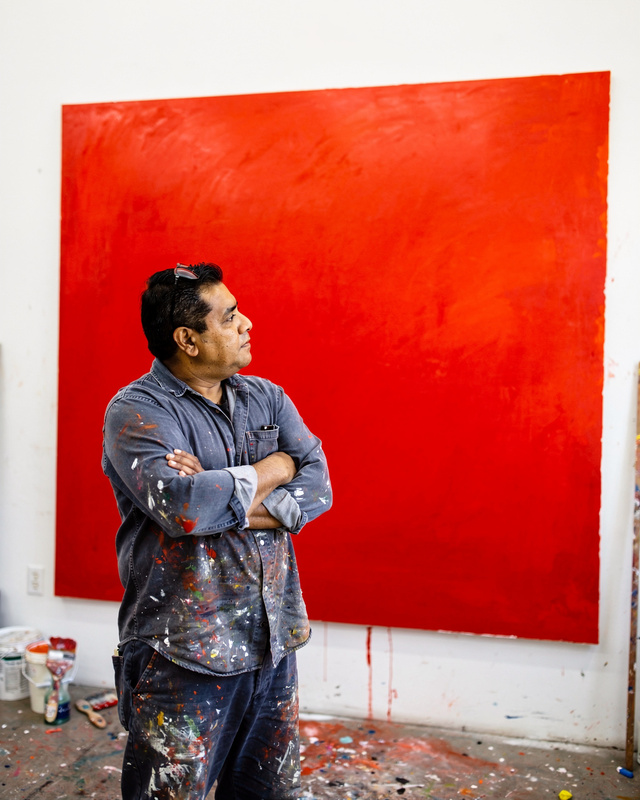
Rafael Ortiz-Bell
Mexican-American painter. Ortiz-Bell makes large paintings of a single color, interrupted once, worked in oil and wax until the surface glows. -
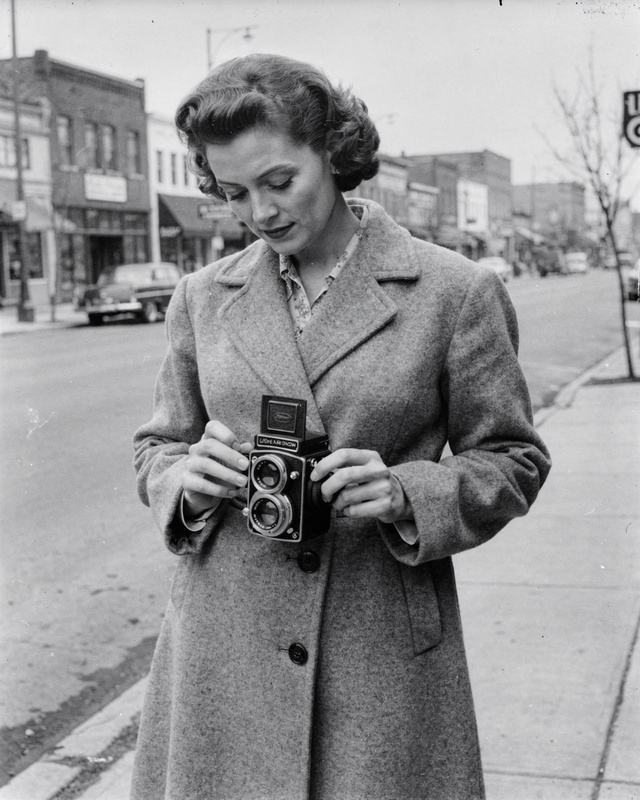
Ruth Calder
American photographer. Calder ran the Harlow Gazette's darkroom for twenty years and photographed the town on her own time, usually without people noticing. -
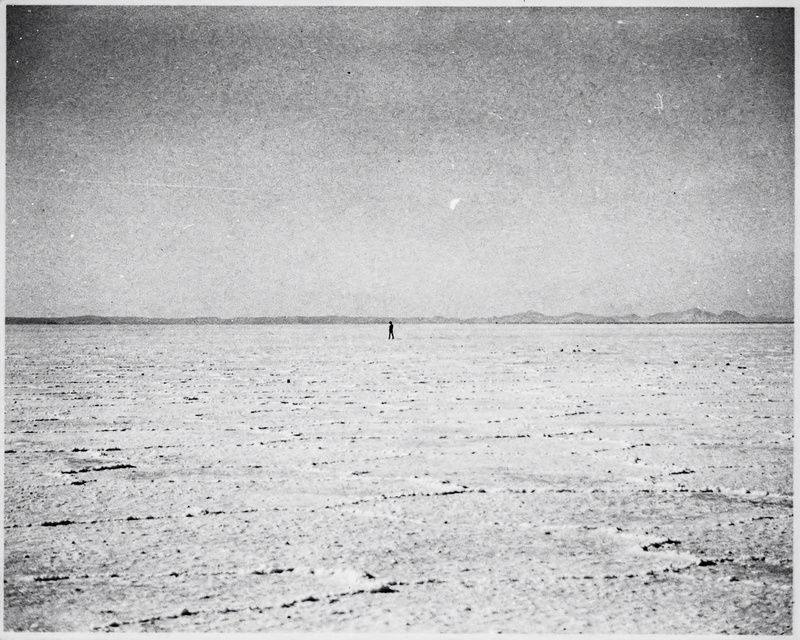
Salt Flat
Becker waited three days for a sky with no clouds at all. The figure on the horizon is his assistant, sent walking until she was small enough. -
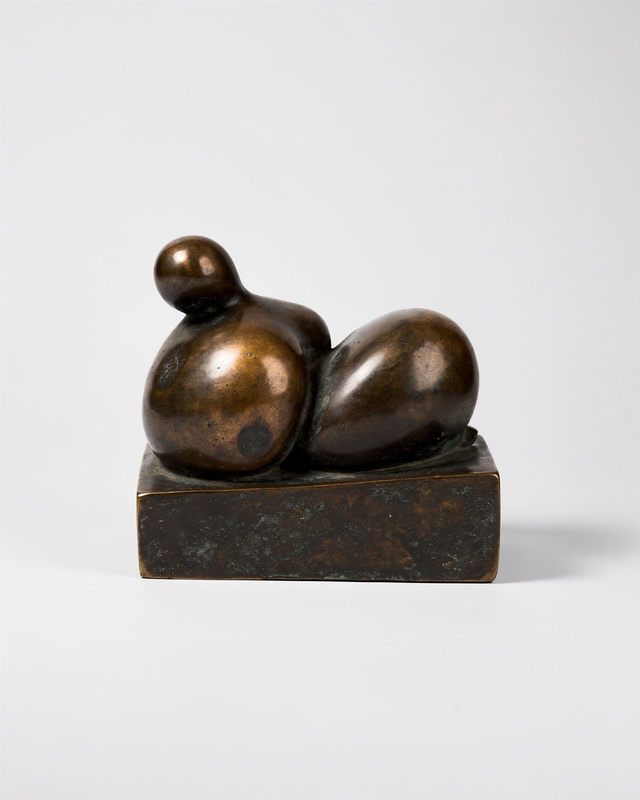
Seated Figure
A figure reduced to the weight of sitting: no face, no hands, just a body letting a chair take it. Reyes-Whitfield cast it from a carving in cedar. -
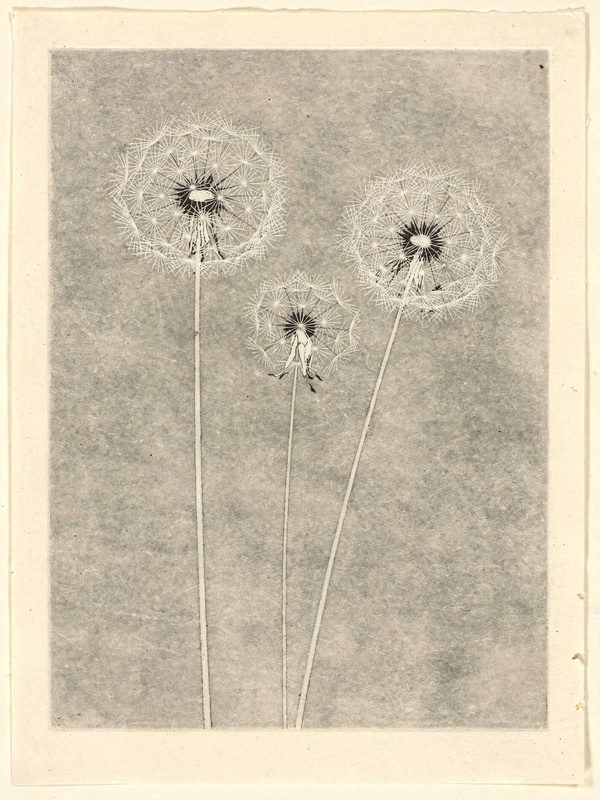
Seed Heads
Dandelion clocks at the moment before they come apart. The soft grey is aquatint; the seeds are scratched back to bare paper. -
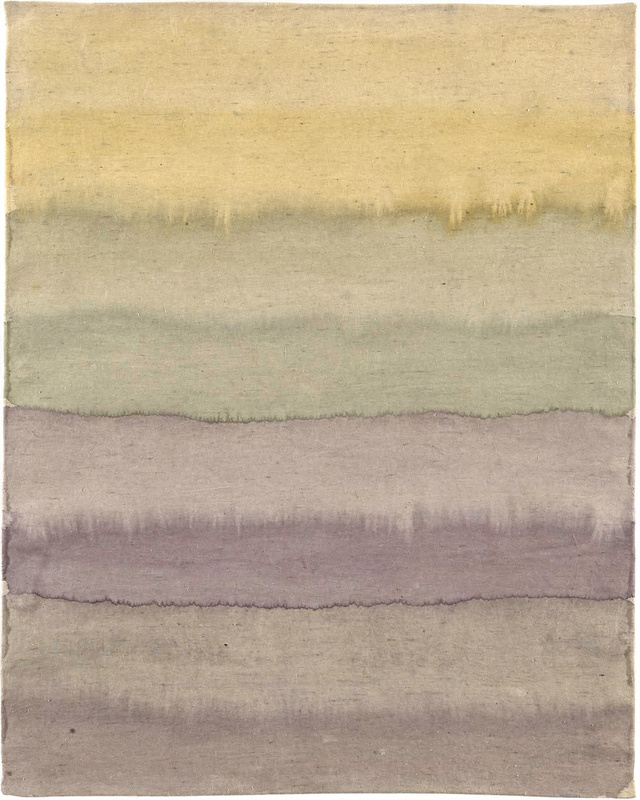
September Field
The first of the field paintings. Lind said she painted the field until it stopped looking like a field and started looking like September. -
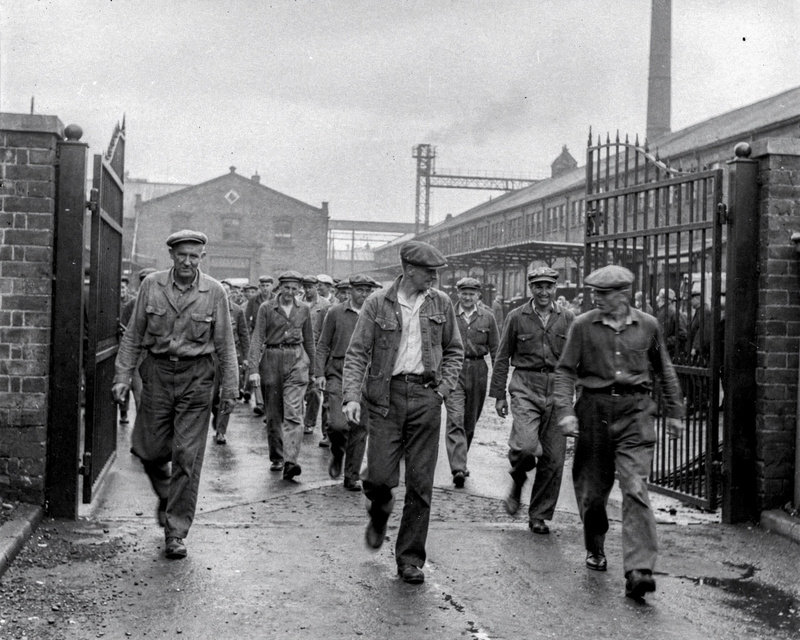
Shift Change, Harlow Mill
Calder stood at the mill gate with her camera at waist height so the men would not notice it. Most of them look past her, toward home. -
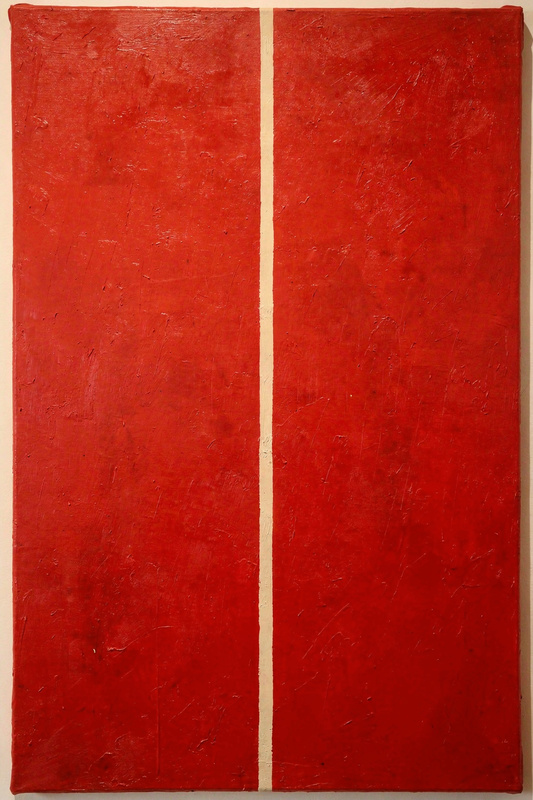
Signal
A field of cadmium red interrupted once, off center, by a pale vertical line. Ortiz-Bell painted the line last, in one breath, and would not say what it signals. -
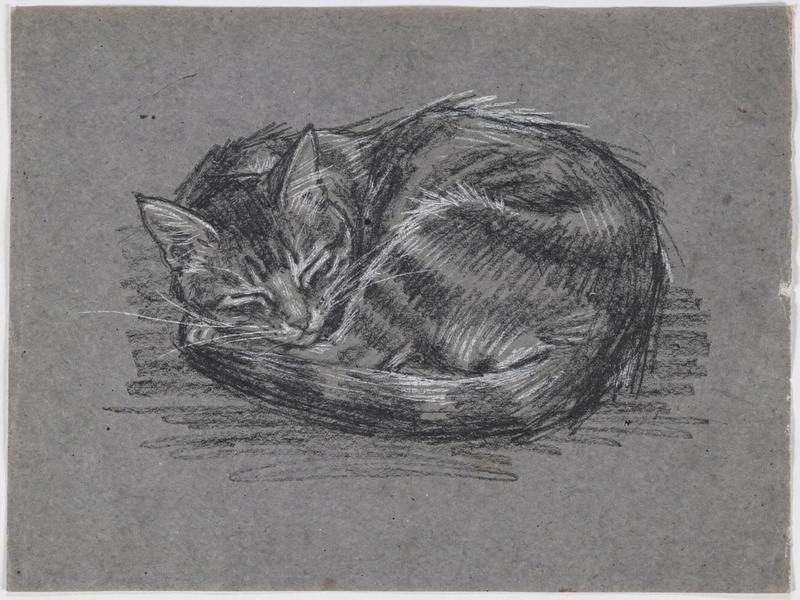
Sleeping Cat
The only animal in Strand's work: her own cat, Pim, drawn in the eleven minutes he slept on the windowsill. -
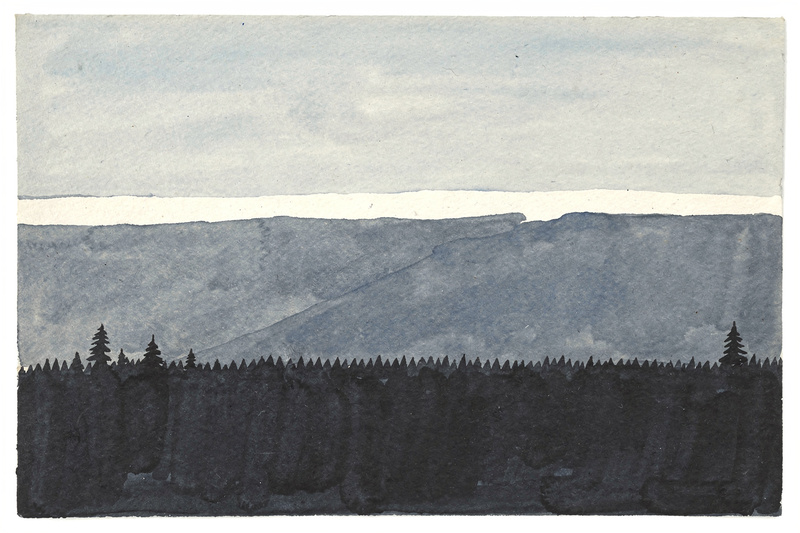
Snowline
Tincup Mountain from the valley floor, the snowline drawn as one unbroken stroke. Hollis left the paper bare for the snow. -
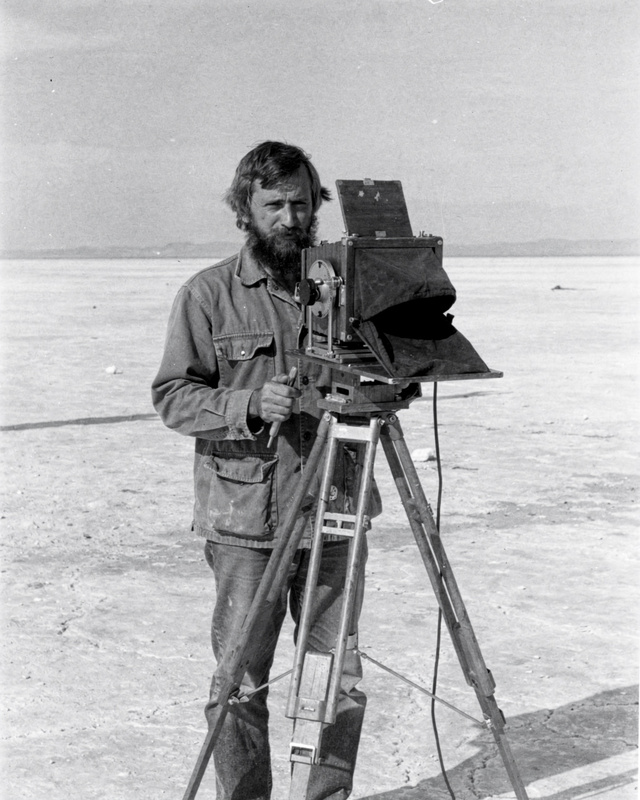
Sol Becker
American photographer. Becker photographed the dry country south of Harlow in large-format black and white: salt flats, lakebeds and the few things that stand on them. -
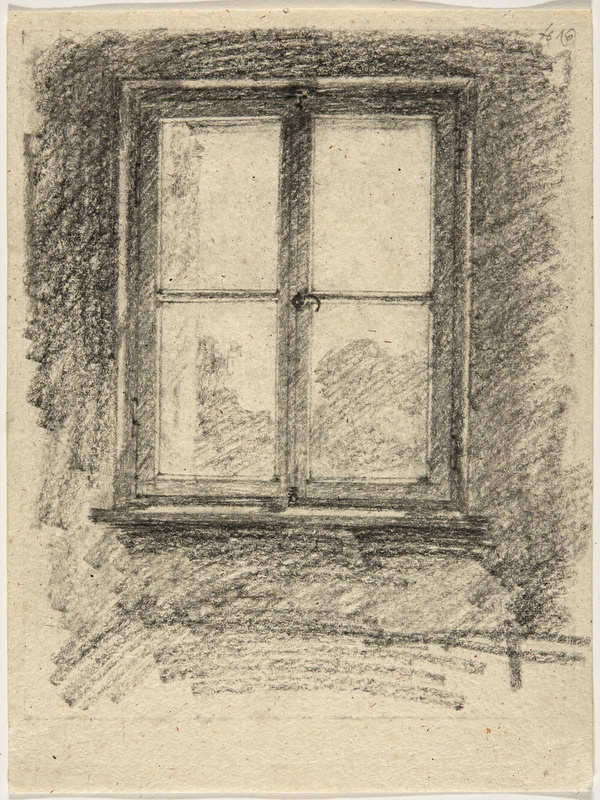
Study for a Window
Strand drew the same kitchen window for most of one winter. In this study the light is doing all the work; the window frame is barely there. -
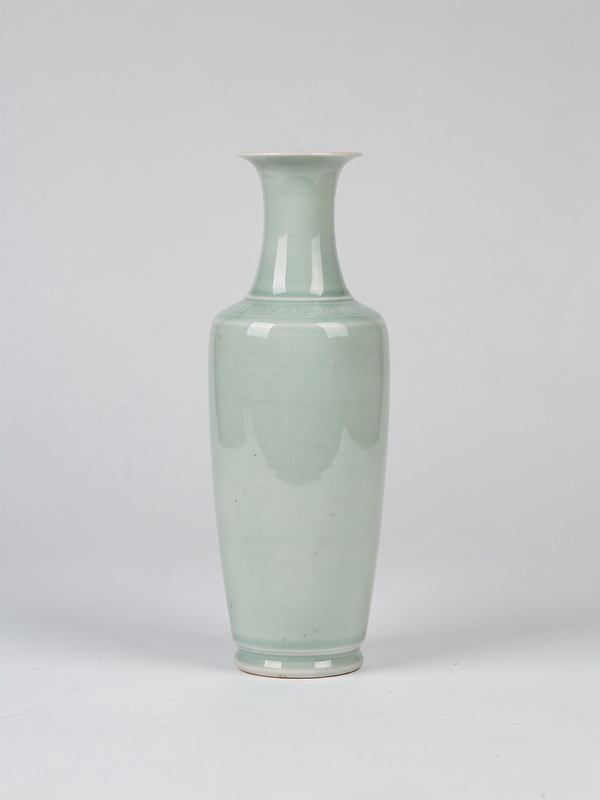
Tall Vessel, Celadon
Mori throws her tall forms in two sections and joins them while the clay is soft; the seam is the faint ring at the shoulder. -
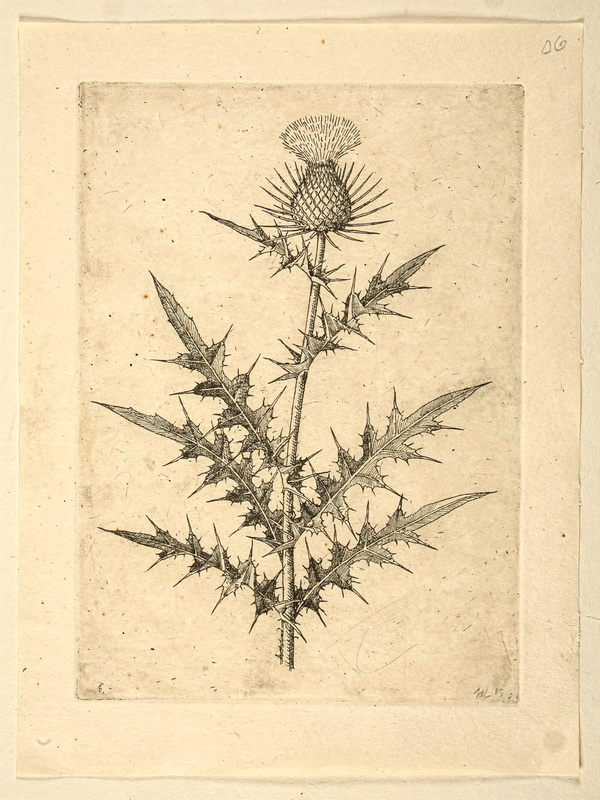
Thistle
Achterberg drew every plant from life on the copper plate, without a sketch. The thistle came from the ditch behind the Grange hall. -
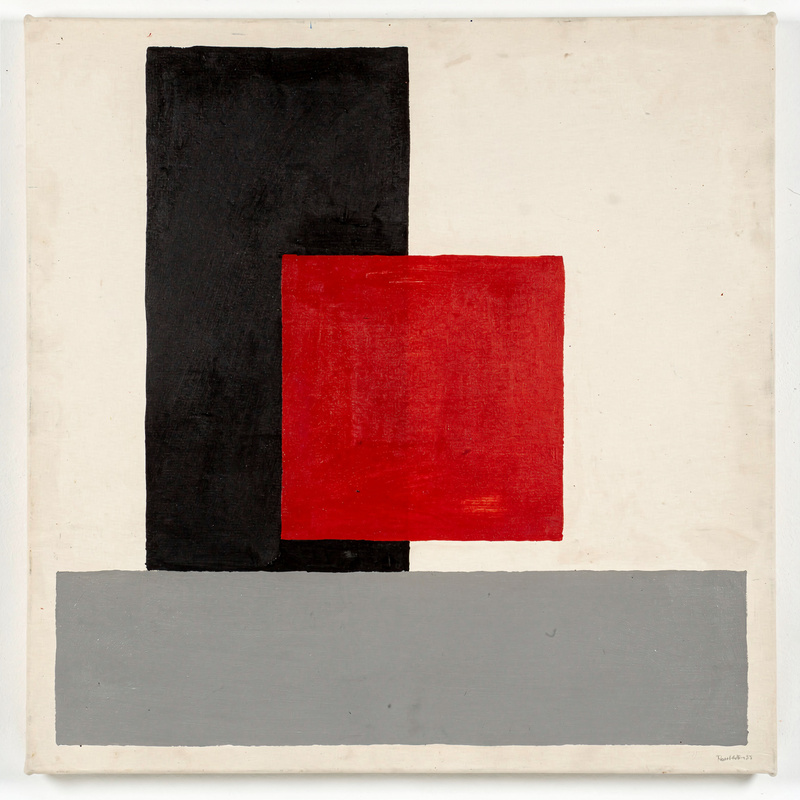
Three Rooms
Ekwall called his geometric paintings floor plans for houses he would never build. Here a black room, a red room and a grey hallway overlap, and none of them has a door. -
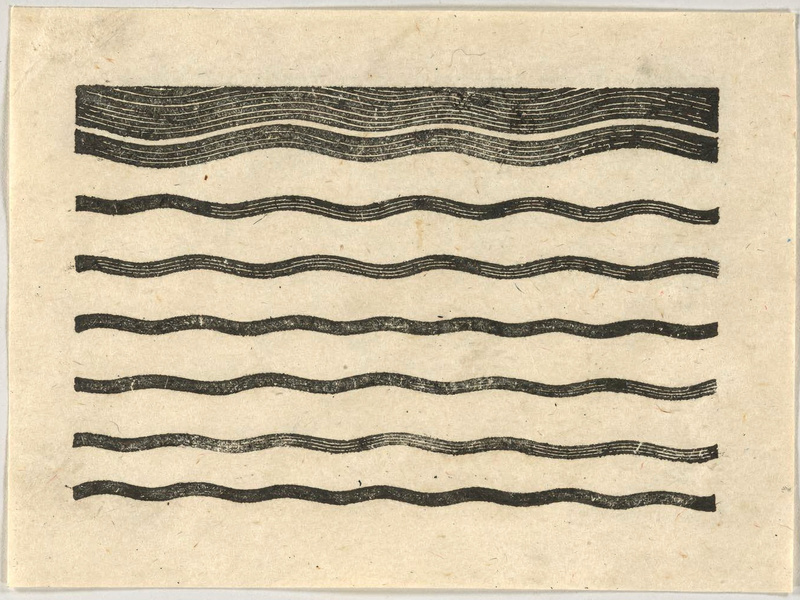
Tide Line
Lind cut these lines on her only trip to the coast, from memory, in a motel room in Astoria. Each line is a little thinner than the one above it. -
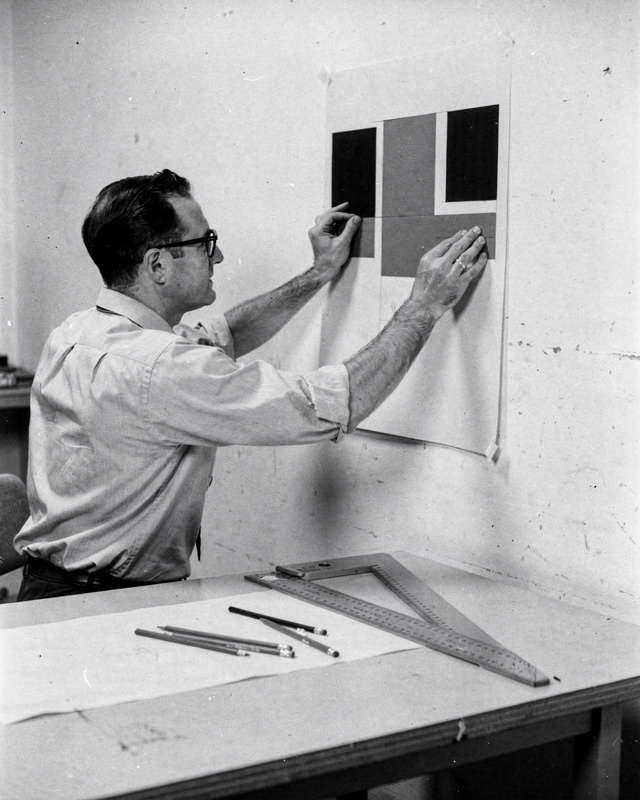
Tomas Ekwall
Swedish-American painter. Ekwall came to Harlow as a draftsman for the mill and stayed to paint hard-edged geometric abstractions he called floor plans for houses he would never build. -
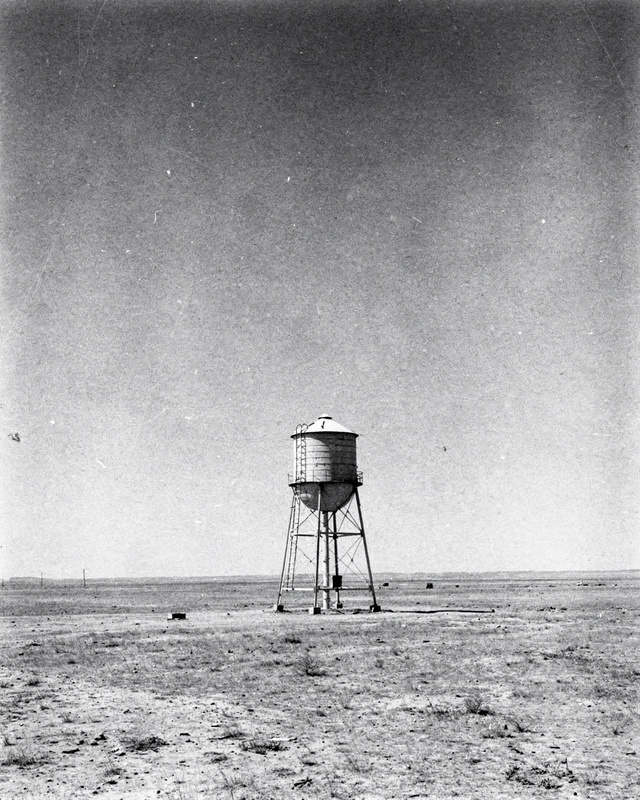
Water Tower
One of the few Becker photographs with a structure in it. He liked water towers because they were the only things in the desert that admitted they were waiting. -
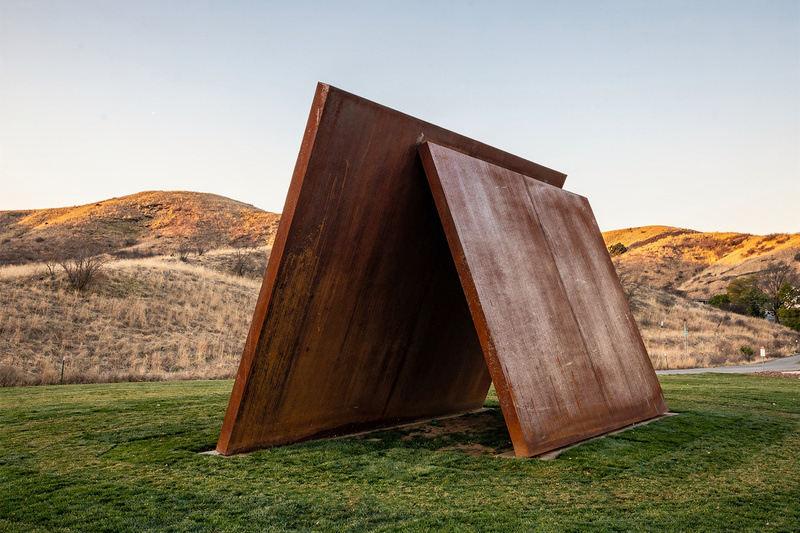
Weight and Counterweight
Two steel plates leaning on each other, each keeping the other up. It stands in the museum garden and has rusted to the color of the hills. -
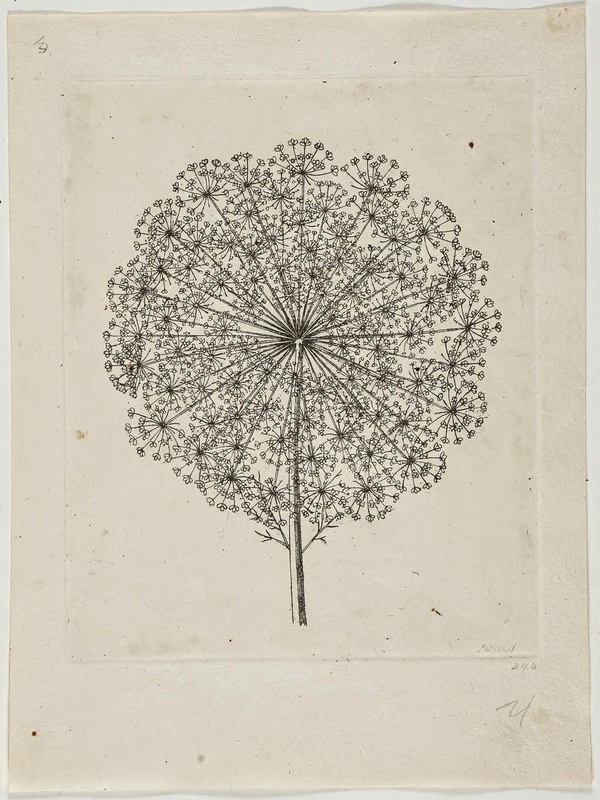
Wild Carrot
Queen Anne's lace, drawn from above so the flower becomes a map. Achterberg printed only twelve impressions before the plate wore.